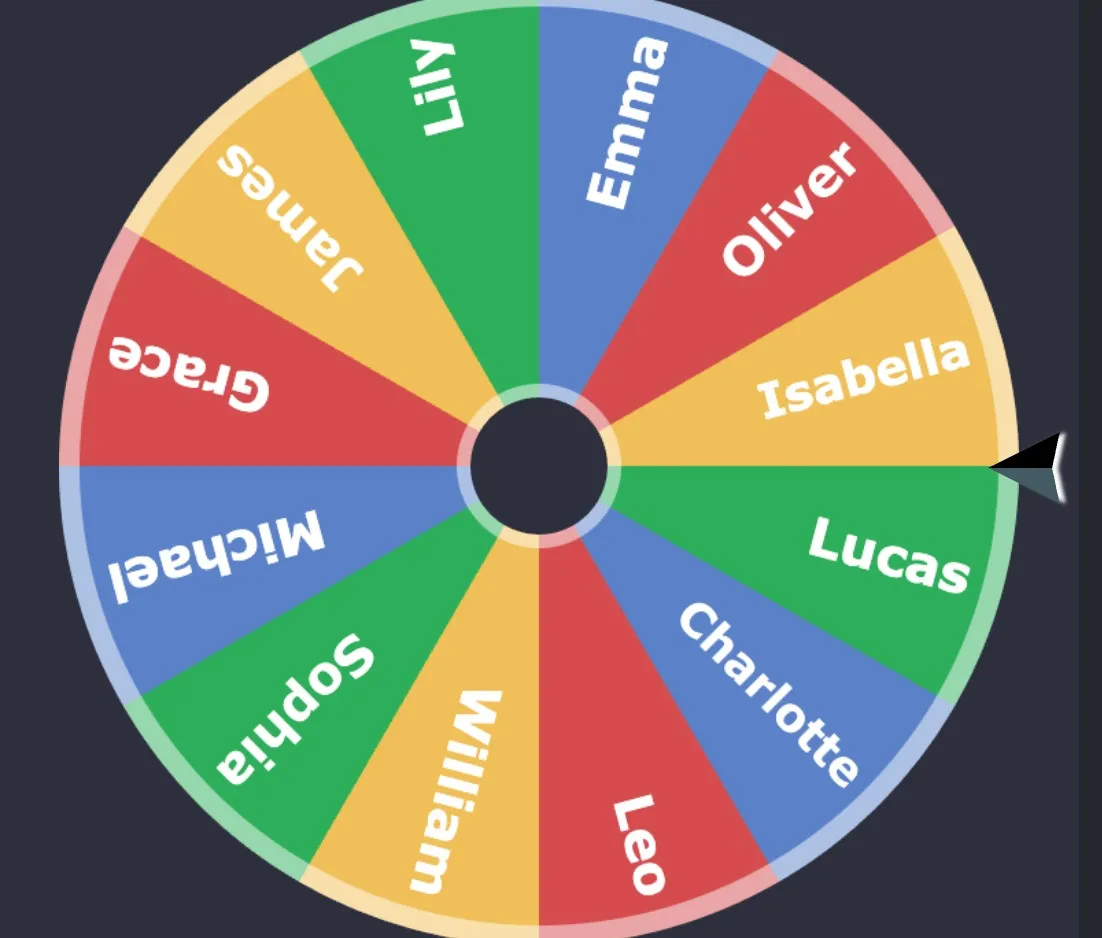
In modern education, pedagogical frameworks are shifting away from passive lecturing toward active, student-centered learning. Keeping a classroom of twenty, thirty, or more students fully engaged requires teachers to continuously introduce innovative strategies that promote inclusivity and attention. One of the most persistent hurdles in daily teaching is ensuring that classroom participation is evenly distributed. Traditional methods, such as waiting for volunteers or calling on students alphabetically, often lead to an elite group dominating the discussions while quieter students withdraw. To break this cycle, an increasing number of educators are utilizing a digital wheel of names as their ultimate administrative and engagement tool.
The application of a computerized selector does more than just pick a student; it fundamentally alters the psychological environment of the classroom. When a teacher manually selects a student to answer a difficult question, the student may feel put on the spot or perceive a sense of personal bias. By contrast, a digital interface introduces absolute impartiality, transforming a potentially stressful moment into a transparent and fair game.
When students see their names loaded onto a colorful, interactive dashboard, their focus instantly sharpens. Incorporating a dynamic mechanic where teachers regularly spin the wheel to determine the next speaker or group leader infuses the classroom with a sense of gamified anticipation. Every student remains alert and mentally prepared because they know they have an mathematically equal chance of being selected on any given turn.
Crucially, this impartiality significantly reduces the underlying social anxiety often associated with public speaking in schools. Because the selection is guided by a neutral algorithm, students understand that there is no favoritism or targeted pressure involved. This sense of structural fairness creates a safer learning space where making mistakes is viewed as a natural part of an unpredictable, interactive game rather than a personal failure in front of peers.
Versatile Lesson Planning and High-Speed Decision Making
While selecting individual students for participation is the primary use case, an online choice engine can be adapted to manage countless other classroom logistics. Teachers can populate the segments with math equations, vocabulary words, historical dates, or creative writing prompts to run high-speed review sessions before exams. This creative approach keeps the review curriculum fast-paced and energetic.
Furthermore, educators can use the platform to resolve trivial everyday organizational deadlocks that waste valuable instructional hours. Whether it is deciding which project group presents their findings first, choosing a storybook for afternoon reading, or settling binary classroom preferences through a quick yes or no vote, outsourcing the final verdict to a digital spinner preserves valuable teaching energy. It optimizes the workflow of the lesson, minimizes administrative friction, and ensures that the educational journey remains thoroughly engaging from the first morning bell to the final dismissal.